
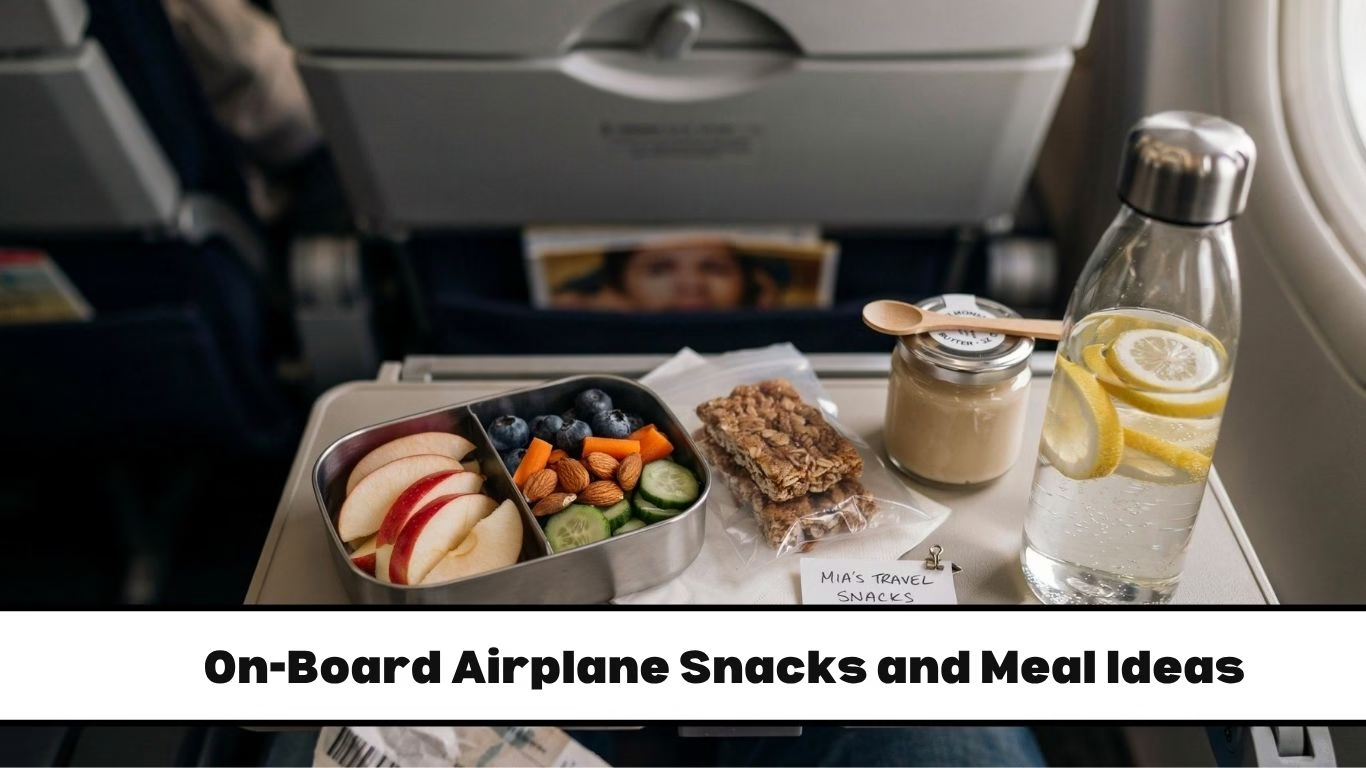
Having your own airplane snacks and meal is a far tastier, healthier, and more affordable choice. In-flight meals are loaded with salt and sugar to provide you with a taste at 35,000 feet. When thinking about your airplane snacks, you have to keep in mind airport security checks (TSA) and customs. Also, think about how your food might affect the people around you. Choose foods that are easier to pack and carry and provide you with lasting energy. Good picks are fruits, veggies, nuts, seeds, and whole-grain snacks.
Know Before You Go: Airline and Airport Restrictions
Before you pack snacks and a meal for your flight, you have to know about the airlines and airports and their restrictions. Being prepared helps you avoid trouble while you travel.
- Liquids and Gels Limitations: Usually, you can only carry 3.4 oz (100 ml) of liquids and gels. This rule covers items like jams and nut butter. Make sure your liquids and gels fit this rule, or pack them in your checked baggage. This will prevent you from ditching items at security.
- Domestic vs. International Travel Rules: The rules differ for flights within your country and going abroad to another country. You can usually take fruits and veggies on domestic flights. But heading across borders might mean stricter rules on fresh food. It’s wise to check what’s allowed at your destination to avoid surprises.
- Declaring Food Items at Customs: At customs, tell them about all your food. Even if it seems minor, declaring helps customs check it fast. It may lead to extra checks, but this is better than losing your items. If you have special food or a dietary need, a doctor’s note can help clear things up.
Healthy Snack Ideas for Airplane Travel
Choose fruits and veggies with lots of water for your plane snacks. Apples, pears, berries, cucumbers, and carrots are good picks. They keep you feeling full and hydrated. Remember to cut them up before you go, since whole pieces might get taken away at check-in. Adding lemon or lime to your water makes it tasty without added sugar.
Small servings of dips like hummus or spreads like nut butter are perfect for trips. They are full of protein and healthy fats that keep you energized. Make sure you use containers that follow the airport’s rules on liquids and gels. And pick less fragrant options to be considerate of other travellers.
Trail mix and nuts are easy to carry and don’t need to be refrigerated. Mix nuts, seeds, dried fruit, and a few dark chocolate chips for a tasty snack. Go for options with less salt to stay comfortable and drink plenty of water. Always pack your snacks in single servings to stay healthy and mindful of allergies.
Key Takeaways
- Bring your health airplane meals to avoid the pitfalls of in-flight catering.
- Choose in-flight snacks that are easy to eat, portable, and provide sustained energy.
- Consider security and customs restrictions when packing healthy travel food.
- Avoid overpriced airport or airplane food by bringing your provisions
- Stay hydrated and minimize waste by using reusable containers for airplane snacks.
Top 10 Healthy Airplane Snacks for your Next Flight
Airplane Snacks for a Complete Meal
Think about taking grain and veggie bowls for bigger airplane snacks. Make a lot of quinoa, brown rice, or cauliflower rice in advance. Add roasted veggies, avocado, protein, and a light dressing. They offer long-lasting energy and nutrition, perfect for flying.
- Sandwiches and Wraps: Bring homemade sandwiches or wraps for a filling snack. Use whole-grain bread or tortillas. Fill them with lean proteins, fresh veggies, and tasty condiments. Avoid making them too saucy. Good options include nut butter and banana, turkey and cheese, or hummus and veggie sandwiches.
- Homemade Sushi Rolls: Consider making your sushi rolls for a unique and healthy snack. You’ll need nori sheets, cooked rice or quinoa, and fillings like cucumber, avocado, or crab. Sushi is convenient to eat with your hands. It’s a good mix of complex carbs, protein, and healthy fats.
Packing Food for Airplane Travel
Choose reusable containers when packing for the airplane. They’re better than single-use plastics. You can use silicone bags, lunch boxes, or steel containers. These are sturdy and easy to wash. Plus, they help you keep your snacks organized in your carry-on.
- Reusable Containers: When you pack airplane snacks, go for reusable ones. They come in different sizes and materials. From soft silicone bags to solid bento boxes, there’s something for everyone. Using these helps cut down on plastic waste. They also keep your snacks fresh and lessen your environmental impact.
- Insulated Lunch Bags: Bring an insulated bag for snacks that should stay cold, like dips or fruit. Security also allows some small coolers. You can use cold packs, too, as long as they’re under 3.4 oz. This ensures your perishable snacks stay cool until snack time.
Snacks to Bring in Your Suitcase
Be sure to pack snacks for both your carry-on and checked luggage. Inside your checked bag, consider non-perishable items. These ensure you have good food when reaching your spot, especially if grocery stores aren’t nearby.
Adding shelf-stable snacks to your bag is smart for the trip. They’re handy not only during your flight but also during your stay, whether in a hotel or rental. For this, you can pick from:
- Granola and protein bars
- Oatmeal packets
- Dried fruit
- Individually-packaged nut butter
- Trail mixes
- Crackers and whole-grain cereal
Best Airplane Snacks to Bring on Flight
Hotel Stay Meal Planning
When you’re at a hotel, use any amenities that help you with meals and snacks. Lots of places have a fridge or a microwave in the rooms. This lets you keep your food cold or warm it up. You might even get free breakfast to take to your room or have later.
- Utilizing Hotel Amenities: If there’s a fridge or microwave in your room, you’re set. You can store and heat your healthy meals and snacks. This keeps you from having to eat at the hotel’s restaurant, which might be costly or not so good. Check what your hotel offers so you can plan your meals.
Grocery Shopping at Destination
If the hotel you picked isn’t ready for your food, find a grocery store nearby. Look for places to buy fresh fruit, yogurt, eggs, and grains. This way, you have more say in what you’re eating. Plus, it can be cheaper than always eating out.
- Special Dietary Considerations: If you’re dealing with food allergies or intolerances, plan your airplane snacks carefully. Don’t pack snacks that could cause problems for others, like peanuts or tree nuts. Go for safe options like seed-based trail mixes or granola bars without nuts.
- Allergies and Intolerances: Carrying a note from your doctor is smart. It explains why you need to eat certain foods. This can help if you’re asked questions at security or customs.
- Doctor’s Notes: A signed letter from your doctor is valuable when you have special dietary needs. It can make it easier for people to pass through security and customs. Make sure to keep the note with you and be ready to show it if asked.
In the End
Bringing your snacks and meals can be a game-changer when flying. It helps you feel better during the flight and afterward. Plan and pack foods that are good for you and easy to carry. Avoid bad in-flight food and the high prices at airports. Check for airline rules and what you can bring through customs. Aim for foods that won’t disturb others, and use containers you can use again. This also helps reduce waste.
Doing a little prep can make your trip much nicer. Eating and drinking well on the plane is key to feeling good when you land. Taking charge of your food on the flight ensures you’ll have a fun and comfortable journey. So, next time you travel, don’t overlook your snacks. Packing your healthy options is good for you and saves money.
FAQ
Why should I bring my airplane snacks?
- Bringing your airplane snacks is both tasty and good for you. Compared to in-flight meals, which can be high in salt, your snacks are less likely to make you feel bloated or dehydrated. Plus, bringing your snacks saves you cash on airport or airplane food.
What are the restrictions for bringing food on a plane?
- Rules often limit liquids and gels to 3.4 oz (100ml) or less per item. This rule is for things like jams, jellies, sauces, and nut butter. Remember, these regulations might change if you’re flying within your country or abroad. Always check the specific rules for the place you’re headed.
What are some healthy airplane snack ideas?
- Try bringing fruits and vegetables that are high in water. Apples, pears, blueberries, strawberries, cucumbers, and carrots are good options. You can also pack trail mixes and nuts. For something more filling, think about grain and veggie bowls, homemade sandwiches, or sushi rolls to go.
How should I pack my airplane snacks?
- Opt for eco-friendly containers like silicone bags or stainless steel boxes for your snacks. They not only cut down on waste but also keep your snacks fresh. For perishables that need to stay cold, use an insulated lunch bag with ice packs.
What else should I consider when packing airplane snacks?
- Try to lower your use of plastic by carrying a reusable water bottle. If you have food allergies, plan to bring a note from your doctor. In your checked luggage, add some non-perishable snacks.
How can I plan for healthy eating during my hotel stay?
- Use what your hotel offers, like fridges or microwaves, to keep and warm your food. Also, shopping locally for items such as fresh fruits, yogurt, eggs, and grains can help you eat well during your stay.





Leave a Reply